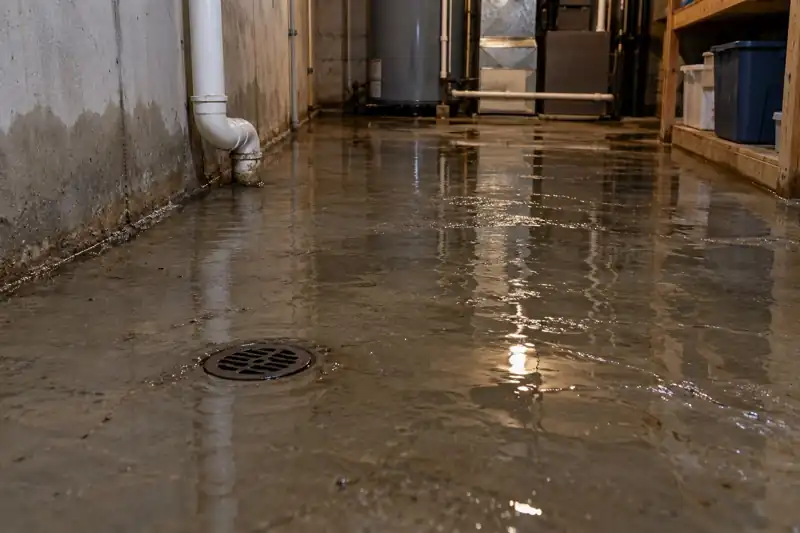
Sewage backup? First steps to stay safe
In short: for a sewer backup in a Bothell, WA home, stop using water, keep everyone away from the sewage, and call a professional. Who pays depends on whether the blockage is in your side sewer or the public main.
Sewage is Category 3 "black water", the most contaminated kind. Stop using sinks, toilets and appliances that drain, keep children and pets away, and leave sewage cleanup in Bothell to a trained crew. The US EPA says sewage calls for protective equipment and containment, and the IICRC S500 standard treats it the same way.
- Stop using water. Every flush or rinse can push more sewage into the house.
- Keep people out. Close off the area and keep children and pets away.
- Avoid power hazards. Do not touch outlets or cords in standing water.
- Do not run fans. The EPA says not to run fans until the water is known to be clean.
- Document and report. Photograph the damage and tell your insurer.
Who pays for a sewer backup in Bothell?
It depends on where the blockage is. Under Bothell Municipal Code 18.03.090, the city's responsibility ends where your side sewer connects to the public main. A blockage in your own side sewer is generally yours; a problem in the public main is the city's or your district's.
Read the full guide: who pays for a sewer backup in BothellSide sewer vs public main, backflow valves, district areas and insurance, with a diagram.City sewer or a district?
The City of Bothell sewer utility serves about half of the city. Other parts of Bothell are served by separate districts, and your water and sewer providers may differ. Check your address before calling about a public line.
The city's provider page lists sewer providers that include the City of Bothell, Alderwood Water and Wastewater District, Northshore Utility District and Silver Lake Water and Sewer District, and links to the city's interactive map for address lookups.
Sources: City of Bothell Design Standards, Chapter 6: Sanitary Sewers; City of Bothell: Find your utility provider.
Whom to call
| Situation | Call |
|---|---|
| Possible city sewer problem, weekdays 7 am to 3:30 pm | City of Bothell Public Works, 425-488-0118 |
| Possible city sewer problem after hours | Bothell Police non-emergency, 425-577-5656 |
| Spill reaching streets or storm drains | City of Bothell Spill Hotline, 425-806-6750 |
| Cleanup and sanitizing inside your home | A restoration company. We can connect you: (425) 548-1015 |
Sources: City of Bothell: Sewer service FAQs; City of Bothell: Spills and property flooding FAQ.
Is sewer backup covered by insurance in Washington?
Not by a standard home policy. The Washington Office of the Insurance Commissioner lists sewer backup and sump pump overflow as an optional add-on, and suggests asking a plumber about backflow valves.
Sources: WA Office of the Insurance Commissioner: Learn how home insurance works; WA Office of the Insurance Commissioner: Flood insurance.
Why sewers back up in Bothell
The City of Bothell says fats, oils and grease cause up to a third of sewage overflow problems in the city. Grease poured down drains hardens in pipes and can lead to a backup into the home.
Sources: City of Bothell: Sewer service; City of Bothell: Sewer service FAQs.
What gets removed, cleaned or kept after a sewage backup
Anything porous that sewage soaked into is usually removed, because it can't be reliably disinfected. Hard surfaces can be cleaned and disinfected. Public Health, Seattle & King County says saturated wall-to-wall carpet and pad should be removed.
| Usually removed | Cleaned and disinfected | Professionally cleaned |
|---|---|---|
| Saturated wall-to-wall carpet and pad | Linoleum, hardwood floors and concrete | Upholstered furniture |
| Drywall and insulation below the soak line | Wood moldings | Loose rugs |
| Cardboard boxes, paper and books | Wood and metal furniture | Drapery |
| Mattresses | Sinks, dishwashers and plumbing fixtures | Carpet you want to keep (licensed carpet cleaner, steam clean and disinfect) |
King County says removed carpet should be wrapped in plastic and taken to a transfer station or sanitary landfill. Photograph everything before it goes. Your insurer may want to see it.
Carpet, hard-surface and upholstery guidance: Public Health, Seattle & King County: Cleaning indoor sewage spills. The other rows reflect general restoration practice.
How sewer backup cleanup is done safely
Public Health, Seattle & King County says thorough cleaning is needed to protect people, especially small children, from harmful bacteria and viruses, and that cleanup should start as soon as possible. Sewer backup cleanup in Bothell follows these same basics, whether you or a crew do the work.
- Keep children and pets out. Close off the area before anything else.
- Wear rubber gloves and boots. Avoid touching sewage or soaked items with bare skin.
- Remove furniture and loose rugs from the affected area.
- Take out saturated carpet and pad, wrapped in plastic.
- Wash hard surfaces with hot water and mild dish soap, then rinse with a bleach solution of one tablespoon of household bleach per gallon of water, and let it air dry.
- Clean sinks, dishwashers and fixtures that had sewage in them the same way: detergent first, then the bleach rinse.
- Wash your hands thoroughly and launder your clothes separately when you finish.
Never mix bleach with other cleaning products. A large backup, sewage that got into walls, or anything you can't reach safely is usually a job for a trained crew.
Source: Public Health, Seattle & King County: Cleaning indoor sewage spills.
Early warning signs your side sewer is failing
King County says slow drains and sewer odors can point to a side sewer problem. Tree roots commonly enter sewer pipes and cause clogs and overflows.
- Slow drains
- Sewer odors
- An older home: side sewers are often the age of the house and may be clay, brick, concrete, iron or plastic
- Trees or shrubs near the line, since roots commonly enter sewer pipes
Know where your side sewer runs before you remodel or landscape, and know the 24-hour emergency contact for your sewer utility for odors or overflows. If you are buying a home, King County recommends a side sewer inspection.
Preventing the next backup
- Keep grease out of the sink. Wipe pans with a paper towel and put it in the trash.
- Don't flush garbage. King County lists this, along with not rinsing grease down drains, as basic side sewer care.
- Plant trees and shrubs with low root damage potential near the side sewer.
- Ask a plumber about a backflow valve, as Washington's Insurance Commissioner suggests.
- Find your side sewer cleanout at the property line so a plumber can reach the line fast.
- Call 811 two business days before digging in your yard.
Sources: City of Bothell: Sewer service FAQs; WA Office of the Insurance Commissioner: Flood insurance; City of Bothell Design Standards, Chapter 6: Sanitary Sewers; King County: Maintain your side sewer.
What professional sewage cleanup involves
- Containment. The work area is sealed off from the rest of the home.
- Removal. Sewage and soaked porous materials such as carpet pad and drywall are removed.
- Cleaning and sanitizing. Hard surfaces are cleaned and disinfected.
- Drying. The structure is dried and checked with moisture meters.
- Repairs. Removed materials are replaced.
For other water problems, see water damage restoration in Bothell.
Sewage cleanup questions
Is sewage backup dangerous?
Yes. Sewage is contaminated water, so treat it as a health hazard. The US EPA says sewage calls for protective equipment and containment, and fans shouldn't run until the water is known to be clean. Keep children and pets out of the area and don't try to mop it up yourself.
Who pays for a sewer backup in Bothell?
Under Bothell Municipal Code 18.03.090, the city's responsibility ends where your side sewer connects to the public main, and sewer use on your property is at your own risk. So a blockage in your own line is generally yours to fix. A problem in the public main is the city's or district's.
Is my home on City of Bothell sewer?
Maybe not. The City of Bothell sewer utility serves only about half of the city, and the rest is served by sewer districts. Your water and sewer providers can also be different. The city's Find your utility provider page links to a map where you can look up your address.
Whom do I call if sewage is backing up in Bothell?
If the city sewer may be involved, City of Bothell customers can call Public Works at 425-488-0118 from 7 am to 3:30 pm on weekdays, or the Police non-emergency line at 425-577-5656 after hours. For cleanup inside your home, call a restoration company. We can connect you.
Does homeowners insurance cover sewer backup in Washington?
Not under a standard policy. Washington's Office of the Insurance Commissioner lists sewer backup and sump pump overflow as an optional add-on. It also suggests asking a plumber about a backflow valve. If you don't know whether you have the add-on, call your agent and ask today.
What causes sewer backups in Bothell?
Grease is a big one. The City of Bothell says fats, oils and grease cause up to a third of its sewage overflow problems. Grease poured down a drain cools, hardens and narrows the pipe until water has nowhere to go but back into the house.
Can I clean up sewage myself?
Public Health, Seattle and King County lists steps for indoor sewage spills: keep children and pets out, wear rubber gloves and boots, remove saturated carpet, and clean hard surfaces with detergent and a bleach rinse. A large backup, or sewage inside walls, is usually a job for a trained crew.
What should be thrown out after a sewage backup?
King County says saturated wall-to-wall carpet and pad should be removed and wrapped in plastic. Hard surfaces like concrete, hardwood and linoleum can be cleaned and disinfected, while upholstered furniture, loose rugs and drapery need professional cleaning. Photograph everything before it goes, since your insurer may want to see it.
What are the early signs of a side sewer problem?
King County says slow drains and sewer odors can point to a side sewer problem, and tree roots commonly enter sewer pipes and cause clogs and overflows. Side sewers are often as old as the house. A plumber with a camera can show what is happening inside the line.