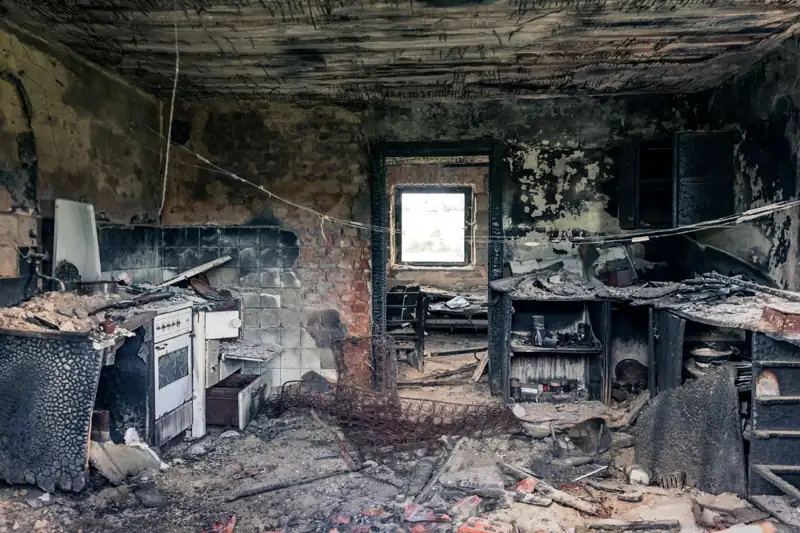
After a house fire: first steps
In short: after a fire in a Bothell, WA home, wait for the fire department to clear the building, then document the damage, call your insurer and arrange smoke, soot and water cleanup. Washington policies include fire coverage.
Fire damage restoration in Bothell begins only once the fire department says the building is safe to enter. Then document the damage, call your insurer, and arrange board-up, smoke and soot cleanup, and drying of the water left from firefighting.
- Wait for clearance. Enter only when firefighters say the building is safe.
- Document the damage. Photograph every room, including areas with only smoke or soot.
- Call your insurer. Ask for a full smoke damage inspection.
- Secure the home. Emergency board-up and tarping close broken windows and roof openings so weather and strangers stay out.
- Dry the water. Water used to put out the fire needs extraction and drying like any other water damage.
Source: WA Office of the Insurance Commissioner: Smoke damage and your homeowner or renter insurance.
Smoke and soot: why the damage spreads
Smoke travels far beyond the room where a fire started. The Washington Office of the Insurance Commissioner describes smoke damage as harm from soot, ash and residues that can affect a home's structure, air quality and belongings, and notes it can reach homes that flames never touched.
Smoke moves with air currents into tiny cracks, walls and HVAC systems, and it leaves persistent odors in furniture and clothing. That is why smoke damage cleanup in Bothell homes goes well beyond wiping soot off the room that burned.
Four ways smoke damages a home
- Odor. A persistent, harsh smell that lingers in carpets, furniture and clothing.
- Corrosion. Acidic compounds can etch and tarnish metal and make glass and other surfaces yellow over time.
- Structural contamination. Soot can soak into drywall, insulation and hardwood floors, which often needs deep cleaning, sealing or replacement.
- HVAC contamination. Particles travel through heating and cooling ducts and spread soot and odor through the whole house.
Ask the adjuster to inspect attics, crawl spaces, insulation and the HVAC system, not only the rooms you can see.
Source: WA Office of the Insurance Commissioner: Smoke damage and your homeowner or renter insurance.
What kind of smoke was it?
The type of residue left behind decides how a crew cleans it. Adjusters and restoration professionals look at what burned and how hot the fire was.
| Residue | Where it comes from | What it does |
|---|---|---|
| Dry smoke | Fast, hot fires, like paper or wood | Powdery and easier to wipe, but falls into cracks and can harm electronics and wiring |
| Wet smoke | Low-temperature, smoldering fires, like plastics or rubber | Thick and sticky, smears easily, and often causes permanent staining and strong odor |
| Protein residue | Burnt food in the kitchen | Leaves an invisible or amber film that discolors varnished or painted surfaces and smells intense |
| Fuel or oil residue | A furnace puff back, when a small explosion forces residue through the vents | Greasy, dark residue pushed into the home through the ductwork |
Source: WA Office of the Insurance Commissioner: Smoke damage and your homeowner or renter insurance.
Fire insurance in Washington
| Coverage | What it usually pays for |
|---|---|
| Fire damage | Included in all standard homeowner policies in Washington |
| Smoke, soot and fumes | Usually covered, under the same coverage as fire |
| Dwelling (Coverage A) | Repairing or rebuilding the main structure |
| Personal property (Coverage C) | Furniture, electronics, appliances and belongings |
| Loss of use (Coverage D) | Extra cost of living elsewhere during repairs |
You can choose your own contractor. For insurance questions, the Commissioner's Consumer Advocacy line is 800-562-6900.
Sources: WA Office of the Insurance Commissioner: Wildfires and insurance; WA Office of the Insurance Commissioner: Smoke damage and your homeowner or renter insurance; WA Office of the Insurance Commissioner: Filing a homeowner insurance claim; WA Office of the Insurance Commissioner: Leaks, water damage and mold.
What fire and smoke policies usually don't cover
Standard policies cover sudden and accidental fire and smoke damage. They don't cover problems that build up over time.
- Wear and tear. Insurance covers sudden accidents, not ongoing issues like chimney maintenance.
- Nicotine. Damage from smoking tobacco indoors over time isn't covered.
- Neglect. You're expected to maintain your home and heating systems.
Source: WA Office of the Insurance Commissioner: Smoke damage and your homeowner or renter insurance.
Filing a smoke damage claim, step by step
- Document before you clean. Take photos and video, and note strong odors, soot, staining and the belongings affected. Don't throw anything away until the adjuster has finished the inspection.
- Contact your insurer when it's safe. Ask for a full smoke damage inspection that includes attics, crawl spaces, insulation and the HVAC system.
- Keep every receipt. If smoke made your home unsafe, hotel and meal costs may be reimbursed under loss of use coverage.
- Prepare for the adjuster. Gather any home inventory or documentation you have, make sure every area and every odor is checked, and ask which items should be cleaned and which replaced.
- Ask for a reinspection if needed. Smoke damage can show up after the first visit. If odors or residue appear later, contact your insurer and request another inspection.
- Get help. The Insurance Commissioner's Consumer Advocacy line is 800-562-6900, weekdays 8:30 am to 4:30 pm.
Source: WA Office of the Insurance Commissioner: Smoke damage and your homeowner or renter insurance.
Keep, clean or throw out?
Heat, smoke and soot reach more than you'd think. Some things clean up well; others aren't worth the risk. Don't throw anything away until your adjuster has finished the inspection. Photograph it, list it, and ask which items should be cleaned and which replaced.
| Usually thrown out | Often professionally cleaned |
|---|---|
| Food, including sealed items, exposed to heat, smoke or soot | Hard furniture and cabinets |
| Medicines and cosmetics exposed to heat | Clothing and linens with smoke odor |
| Burned or melted items | Dishes, glass and metal |
| Wet insulation and drywall | Walls and ceilings with light soot |
Smoke odor and your heating system
Smoke gets pulled into ductwork, and a running furnace can spread soot and odor to rooms the fire never touched. Keep the system off until it's inspected, replace the filter, and ask your adjuster to include the HVAC system in the smoke damage inspection, as Washington's Insurance Commissioner suggests.
Source: WA Office of the Insurance Commissioner: Smoke damage and your homeowner or renter insurance.
What fire damage restoration involves
- Assessment. Fire, smoke and water damage are inspected room by room.
- Board-up. Openings are secured against weather and entry.
- Water removal. Firefighting water is extracted and the structure dried.
- Smoke and soot cleaning. Surfaces, contents and air are cleaned and deodorized.
- Rebuild. Damaged materials are repaired or replaced.
Check any contractor on the Washington L&I Verify tool before you sign. For leaks and burst pipes, see water damage restoration in Bothell. For coverage questions beyond fire, see water damage insurance in Washington.
Fire damage questions
Does homeowners insurance in Washington cover fire damage?
Yes, in standard policies. Washington's Office of the Insurance Commissioner says all standard homeowner policies in the state include protection against fire damage, and most also cover damage from fire-related heat, smoke, soot and fumes. Check your declarations page for your limits and deductible.
Is smoke damage covered?
Usually. Washington's Office of the Insurance Commissioner says standard homeowner and renter policies typically cover sudden and accidental smoke damage, and that smoke damage usually falls under the same coverage as fire damage. That includes smoke from a neighbor's fire or a wildfire, not only a fire in your home.
Will insurance pay for somewhere to stay?
Often, yes. Loss of use coverage, also called additional living expenses, pays the extra cost of living elsewhere while your home is repaired or rebuilt, according to Washington's Office of the Insurance Commissioner. Keep every receipt for lodging and meals, and ask your adjuster about your limit.
What should I ask the adjuster to inspect?
Ask for a full smoke damage inspection. Washington's Office of the Insurance Commissioner suggests including attics, crawl spaces, insulation and the HVAC system, because smoke damage can be progressive and isn't always visible on day one. Rooms that look fine can still hold odor and residue.
Can I choose my own restoration company after a fire?
Yes. Washington's Office of the Insurance Commissioner says you can choose your own contractor. Check any company on the L&I Verify tool first, and read any assignment of benefits form carefully before you sign, because it can hand control of your claim payments to the contractor.
What if smoke odor shows up after the adjuster's inspection?
Smoke damage can be progressive. If odors or residue show up after the inspection, contact your insurer and request a reinspection, according to Washington's Office of the Insurance Commissioner. Keep photos and notes of what you find, and ask your adjuster which items need cleaning and which need replacing.
What isn't covered in a fire or smoke claim?
Standard policies cover sudden and accidental fire and smoke damage, not ongoing problems. Washington's Office of the Insurance Commissioner lists wear and tear, such as chimney maintenance, long-term nicotine damage from smoking indoors, and neglect of your home or heating system as excluded. Regular maintenance helps protect your claim.
What is the difference between wet smoke and dry smoke?
Dry smoke comes from fast, hot fires like burning paper or wood and leaves a powdery residue. Wet smoke comes from low-temperature, smoldering fires like plastics or rubber and leaves a thick, sticky residue that smears and often stains permanently. The residue type affects how your home is cleaned.