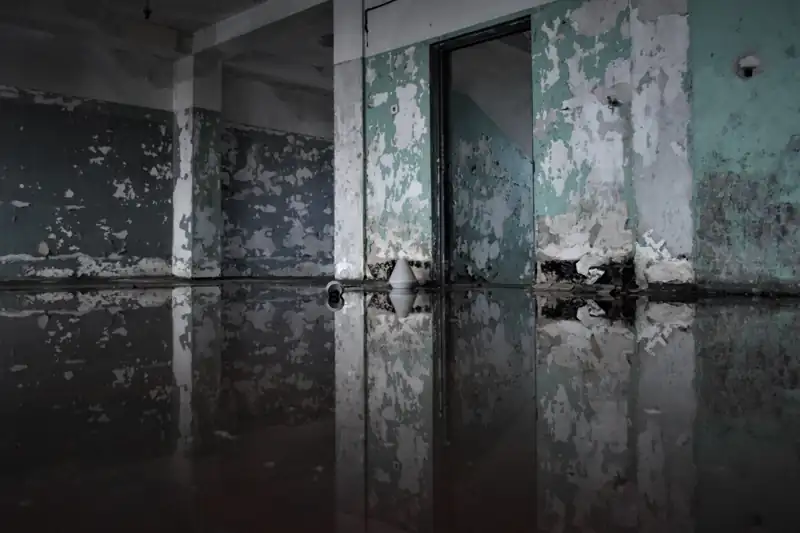
First steps after a flood
In short: if your Bothell, WA home has flooded, stay out of standing water near power, photograph everything for your insurer, and get the water pumped out and the structure dried fast. Flooding needs separate flood insurance.
Flood cleanup in Bothell starts with safety: treat outside floodwater as contaminated Category 3 water. Stay out of standing water near electrical outlets, photograph the damage, report it to your insurer, and get the water out and the structure dried quickly. The US EPA advises drying wet materials within 24 to 48 hours to help prevent mold.
- Stay safe. Call 911 in an emergency. Keep away from wet outlets and appliances.
- Record everything. Take photos and video before cleanup starts.
- Report it. Contact your insurer, or your flood insurer if you have a separate policy.
- Remove water and dry. Extraction and drying equipment are usually needed for basements and crawlspaces.
- Check hidden spaces. The City of Bothell suggests checking basements, crawlspaces and attics for moisture, since finding it early helps prevent mold.
Sources: US EPA: Mold remediation guide, Chapter 4; City of Bothell: Rain and flooding.
Before you go back in: health and safety
King County published a flood recovery guide after the extensive December 2025 flooding across the region. Its safety advice applies to any flooded home: cut the power safely, avoid contact with floodwater, protect yourself while cleaning, and start drying early.
- Turn off utilities before re-entering.
- Don't touch electrical equipment while touching water. Call your utility to disconnect power.
- Avoid touching floodwater, and wash your hands (and your pets).
- Wear an N95 mask, gloves and goggles and other protective gear when cleaning.
- Open windows and doors and pump out water after the flood recedes. Mold can grow within 24 to 48 hours.
- Throw away garden produce and food that touched floodwater. Food in sealed containers can be used if you wash it before opening.
- On a well or septic system? Use only bottled, boiled or treated water if a private well flooded, and have a flooded septic system checked before you use it again.
Public Health, Seattle & King County also warns that anything touched by floodwater may be contaminated, and that flood damage might expose lead and asbestos.
Sources: King County: Flood recovery; Public Health, Seattle & King County: Flood recovery resources.
Flood facts for Bothell
The Sammamish River runs through Bothell and is fed partly by North Creek and Swamp Creek. Bothell's hazard plan lists December 2007 as the most recent significant flood and notes that minor flooding happens fairly often in low spots along North Creek.
Sources: King County Regional Hazard Mitigation Plan: City of Bothell annex (2025); King County: Sammamish River watershed flooding; City of Bothell: Flood prevention.
Read the guide: does Bothell flood, and when?Flood history, places reported in news, how water gets in, and which alerts cover North Creek.Flood insurance in Washington
Standard home and renter policies in Washington exclude flooding. Coverage comes from the National Flood Insurance Program or a private flood policy, and NFIP coverage usually starts 30 days after purchase.
| Question | What the Insurance Commissioner says |
|---|---|
| Does a standard home policy cover flooding? | No, flooding is specifically excluded |
| Where do I get flood coverage? | NFIP or a private flood insurer |
| Standard NFIP limits | $250,000 for the home, $100,000 for contents |
| Waiting period | Usually 30 days after purchase |
| Risk outside high-risk zones | Nearly one third of flood claims come from outside them (FEMA) |
Source: WA Office of the Insurance Commissioner: Flood insurance.
Check your risk and get alerts
- Look up your address on the FEMA Flood Map Service Center.
- King County's free Flood Alerts cover major rivers (the Cedar, Green, Tolt, White, Issaquah Creek, South Fork Skykomish and the Snoqualmie basin), not the Sammamish River or North Creek. Also sign up for ALERT King County and your local jurisdiction's alerts. See King County: Flood Warning System.
- King County's flood warning app shows real-time levels for the rivers it covers, and the Flood Warning Center (206-296-8200) is staffed around the clock, with live representatives during flood events. Call 911 in a flood emergency.
- Follow watches, warnings and river forecasts from the National Weather Service Seattle/Tacoma.
- Rake leaves off nearby storm drains before heavy rain, as the City of Bothell asks residents to do.
- Report minor street or drainage flooding to City of Bothell Public Works at 425-488-0118, option 1. See Rain and flooding.
Documenting flood damage for your claim
King County says accurate documentation is essential for insurance and for any possible FEMA assistance, and to photograph and record damage before cleaning up, repairing or discarding anything.
- Gather your details. Have your flood insurance policy number and your insurer's contact information ready.
- Record what happened. Write down the date, time, cause of the damage and a description.
- List damaged or missing property. Take clear photos and video of all damage and high water marks, inside and outside.
- Record serial numbers for electronics and appliances when you can.
- Save every receipt for repairs, replacements and disaster-related costs. If you use a contractor, verify their registration with Washington Labor & Industries.
- File your claim.
Most standard policies don't cover mold, fungi, rust or rot, which are usually treated as a maintenance issue, so check your policy or ask your agent. You may also need a permit to fix flood damage: secure the site first, then check with your local jurisdiction before you start repairs.
Source: King County: Flood recovery.
Hazardous materials, debris and sandbags
Hazardous materials can leak toxins into floodwater. King County asks you to set them aside, not mix them, and take them to a disposal site.
- Batteries, old paint, lawn care products and other chemicals go to King County's hazardous waste sites, not the trash. Disposal is free.
- If hazardous products got wet or damaged, don't open them or try to empty them, and leave the labels on.
- Don't mix products while you clean up spills. Some chemicals react.
- Sandbags that touched floodwater are usually considered contaminated. Rain-soaked bags that never touched floodwater can be dried and reused.
- Take used sandbags to a King County solid waste facility, where fees apply. Don't pour sand onto streets, down drains or into lakes, rivers or streams.
Source: King County: Flood recovery.
Basements and crawlspaces after a flood
Basements and crawlspaces hold water long after the rain stops, and they're where mold tends to start. Get standing water pumped out, wet insulation removed and the space dried with dehumidifiers before you close anything up.
- Check the crawlspace even if the living space looks dry. Water pools there first.
- Pull wet carpet and pad off basement floors quickly; they won't dry in place.
- Look for a water line on walls and furniture and photograph it for your claim.
- Keep the furnace and water heater off if water reached them, and have them checked before restarting.
- Watch for a musty smell over the next weeks. It's often the first sign of mold.
The City of Bothell recommends checking basements, crawlspaces and attics for moisture after flooding. Source: City of Bothell: Rain and flooding.
Before the next rainy season
- Price a flood policy now. NFIP coverage usually waits 30 days.
- Rake leaves off the storm drain nearest your house before big storms.
- Clean gutters and point downspouts away from the foundation.
- Move valuables and paperwork off basement floors.
- Sign up for ALERT King County and your local alerts, and follow NWS Seattle warnings.
Sources: WA Office of the Insurance Commissioner: Flood insurance; City of Bothell: Flood prevention; King County: Sammamish River watershed flooding; National Weather Service Seattle/Tacoma.
Heavy rain can strain sewers too
Persistent heavy rain can overload sewer pipes as well as creeks. The Bothell Reporter, citing King County, reported a manhole overflow from the North Creek Interceptor, a sewer line that has served the Bothell area since 1970, during persistent heavy rain in January 2016 near 208th Street SE and 14th Drive SE.
King County has since repaired and replaced a 2-mile section of that pipeline. It says the new pipe has carried wastewater since early 2018 and increases reliability and capacity. That doesn't mean a backup can't happen at your home, so if rain coincides with slow drains or sewer odors, see sewage cleanup in Bothell.
Sources: Bothell Reporter: Heavy rains cause manhole overflow in Bothell (2016); King County: North Creek Interceptor project.
Sewage in the floodwater?
If floodwater came up through floor drains or toilets, it may contain sewage. See sewage cleanup in Bothell for safety steps, and water damage restoration in Bothell for indoor leaks and burst pipes. Wondering what your policy pays for? Read our guide to water damage insurance in Washington.
Flood cleanup questions
Does homeowners insurance cover flooding in Washington?
No. Washington's Office of the Insurance Commissioner says standard home and renter policies specifically exclude flooding. Flood coverage comes from the National Flood Insurance Program or a private flood insurer. Water from a burst pipe is different and is often covered, so tell your insurer exactly where the water came from.
How long before flood insurance starts?
Usually 30 days. Washington's Office of the Insurance Commissioner says NFIP coverage generally starts 30 days after you buy it. That's why waiting until a storm is in the forecast doesn't work. If you live near North Creek or the Sammamish River, it's worth pricing a policy now.
Do I need flood insurance outside a high-risk zone?
It's worth thinking about. Washington's Office of the Insurance Commissioner, citing FEMA, says nearly one third of flood claims come from outside high-risk areas. You can look up your address on the FEMA Flood Map Service Center, then ask an agent what a policy would cost.
When did Bothell last have a major flood?
The King County hazard plan annex for Bothell lists December 2007 as the most recent significant flood, when some homes and a business park were evacuated. It also notes that minor flooding happens fairly often in low spots along North Creek, so smaller events are more common.
Whom do I call about street flooding in Bothell?
Call 911 if anyone is in danger. For minor street or drainage flooding, the City of Bothell asks residents to call Public Works at 425-488-0118, option 1, and crews respond when it's safe. For water inside your home, call a restoration company. We can connect you.
Is it safe to go back into my home after a flood?
Turn off utilities before you go in, and don't touch electrical equipment while touching water. Call your utility to disconnect power. King County also advises wearing an N95 mask, gloves and goggles when cleaning, avoiding floodwater, and washing your hands. Open windows and doors once the water recedes, since mold can grow in 24 to 48 hours.
What should I do with food that touched floodwater?
King County says to throw away garden produce and any food that touched floodwater. Food in sealed containers can be used if it is washed before opening. If you're unsure, it's safer to throw it out, and photographing what you discard helps if you file a claim.
What do I do with sandbags after a flood?
King County says sandbags that touched floodwater are usually considered contaminated, while sandbags that were only rain-soaked can be dried and reused. Take used sandbags to a King County solid waste facility, where disposal fees apply. Don't pour the sand onto streets, down drains, or into lakes, rivers or streams.
Do I need a permit to repair flood damage?
You may. King County advises securing the site first, then checking with your local jurisdiction about permit requirements before making repairs. Depending on the damage, other permits can apply, such as a floodplain development permit in a special flood hazard area, or electrical permits from Washington Labor and Industries.